
Blog
What a Service Call Actually Covers in McAllen
McAllen homes built mostly 1987-2005 run original hardware into severe heat. Here's what a tech actually checks on a service call, and why.
What You Pay
We don't post a flat number here because what a call covers depends on what's wrong, and in McAllen that usually comes down to the age of the hardware. Most houses in this part of the Valley went up between 1987 and 2005, with 1997 sitting right in the middle. That means a lot of doors are running original springs, rollers, and openers that are twenty-five to thirty-five years old. A call starts the same way every time: we open the door by hand, watch how it travels, check spring tension, look at the track alignment, and test the opener's force settings. From there the job either stays small - a roller, a cable, a sensor - or it turns into a spring or opener swap because the part on the door has simply outlived itself. We won't quote a repair over the phone without seeing the door, because a torsion spring sized wrong for a heavier insulated panel is a comeback waiting to happen, and that costs everybody more than doing it right the first time.
What Most People Get Wrong
The most common mistake we see in homes from the 1987-2005 build wave is assuming a noisy door needs a new opener. Nine times out of ten the opener is fine - it's the rollers and the track brackets that have loosened over three decades of Valley heat cycling the steel. People also assume a service call means a sales pitch for a full door replacement. It doesn't. If a $40 roller job fixes it, that's the job. The other misread is thinking lubrication is optional maintenance you can skip. On doors this age, with steel track that's been expanding and contracting through McAllen summers for twenty-plus years, dry hardware is usually the actual cause of the binding or the loud bang people call us about, not a bent track or a dying opener.
What Is Going On
Garage doors in this area carry a specific kind of fatigue. The housing stock across McAllen and the surrounding communities we work - Palmhurst, Pharr, Alton, San Juan, and the rest - is mostly 1980s and 90s construction, which means steel torsion springs that have done tens of thousands of cycles in a climate rated as severe heat. Steel doesn't fail quietly in that environment. It fatigues, and when a torsion spring goes, it goes all at once, usually with a bang loud enough to bring the household running. The sensors, cables, and rollers on these same doors have been baking in a garage that routinely sits well above the outside temperature during the day, which shortens their working life compared to the same parts in a milder climate. A service call on a door this age is less about one broken thing and more about reading which parts are near the end of that cycle count.
How Local Conditions Play In
Severe heat does specific, predictable damage to a garage door, and it's worth naming instead of waving at. Lubricants break down faster. Plastic idler bearings on rollers get brittle and crack instead of wearing evenly. Steel torsion springs lose temper faster under heat-cycling than they would in a cooler climate, so a spring rated for a certain number of cycles in a lab often comes in under that number inside a McAllen garage. On an older home from the 1987-2005 wave, that heat stress is compounding against hardware that's already decades old. We check for all of this on every call - not because we're padding the visit, but because in this climate the parts next to the broken one are usually close behind it. Median household income in this service area runs modest, so we'd rather flag a part that's six months from failing than have a customer pay for a second call to fix what we could've caught the first time.
Questions
Common questions
How old does a garage door have to be before you'd recommend replacing it instead of repairing it?
It depends on the door, not a fixed age. A lot of McAllen homes have doors from the late 1980s through the mid-2000s. If the panel itself is sound and it's one broken spring or a bad opener, repair makes sense. If the heat has cracked the panel seams or warped the track beyond adjustment, replacement usually costs less over time than repeated fixes.
Why did my spring break with no warning?
Torsion springs fail by fatigue, not wear you can see. After tens of thousands of open-close cycles, especially with heat-cycling in this climate, the steel reaches its limit and lets go all at once. There's rarely a warning sound beforehand - that's just how torsion springs fail.
Do you service areas outside McAllen itself?
Yes. We cover the surrounding communities including Palmhurst, Pharr, Alton, Lopezville, San Juan, and other nearby areas within the same general stretch of the Valley.
Recommendation
You Might Also Like
More garage door guides for McAllen homeowners.
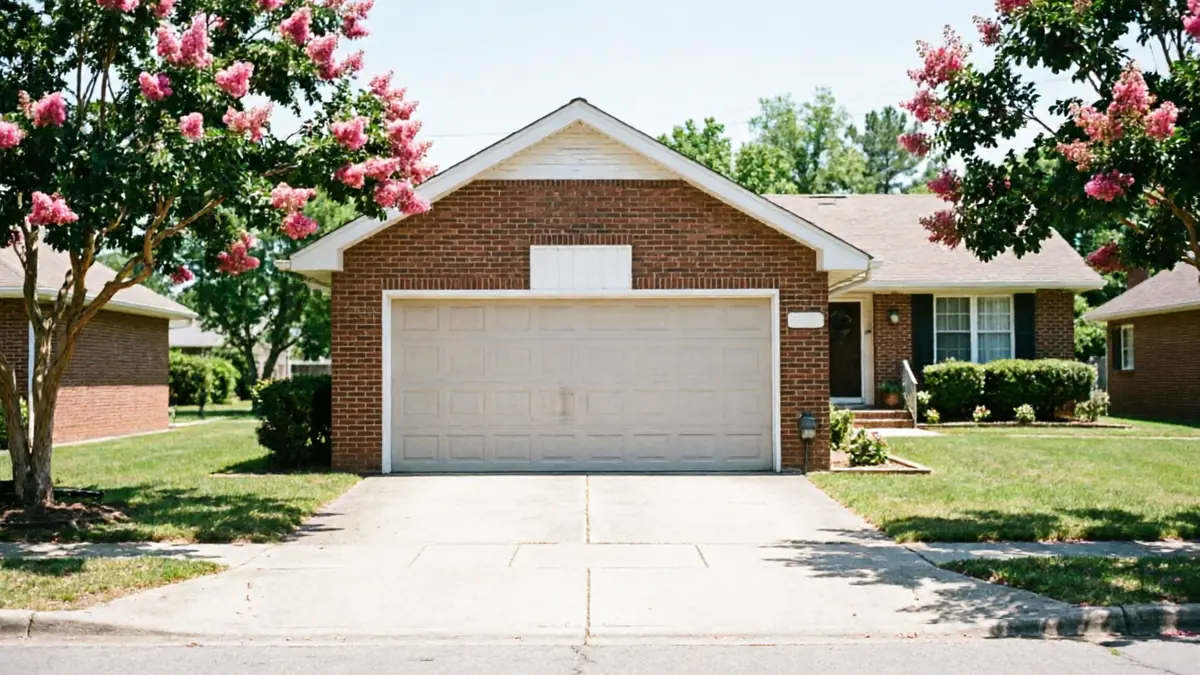
Garage Door Service Built Around McAllen's 1987 to 2005 Housing Stock
Most homes across McAllen and nearby communities went up between 1987 and 2005.
Read guide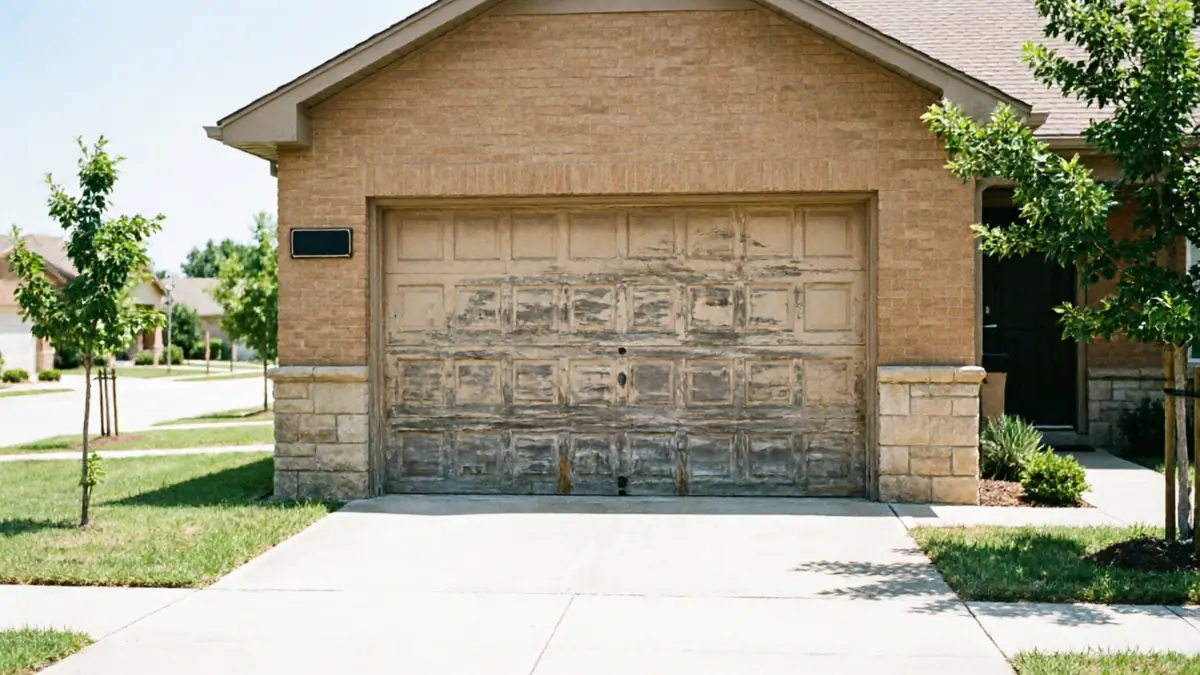
What Power Cuts Really Do to a Garage Door Opener in McAllen
In McAllen, homes built between 1987 and 2005 often still run the original opener, and severe heat plus power cuts can knock it out without any warning.
Read guide
Why Your Garage Door Jumps the Track in McAllen
In McAllen homes built mostly 1987 to 2005, severe heat warps steel track and hardens rollers over time, pulling garage doors off their rails.
Read guideReady when you are
Need a garage door sorted in McAllen?
McAllen Garage Door Pros repairs and installs garage doors, springs and openers in McAllen, TX and the surrounding area.