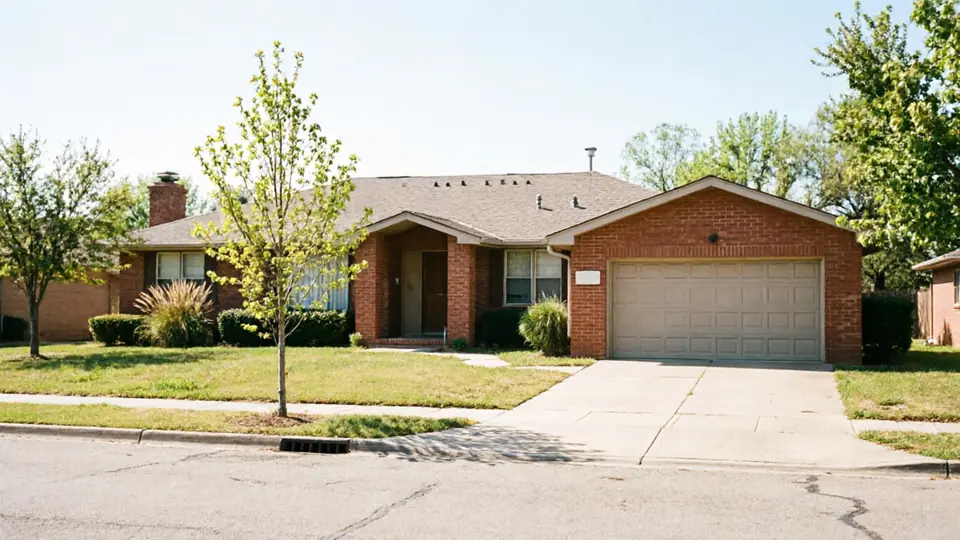
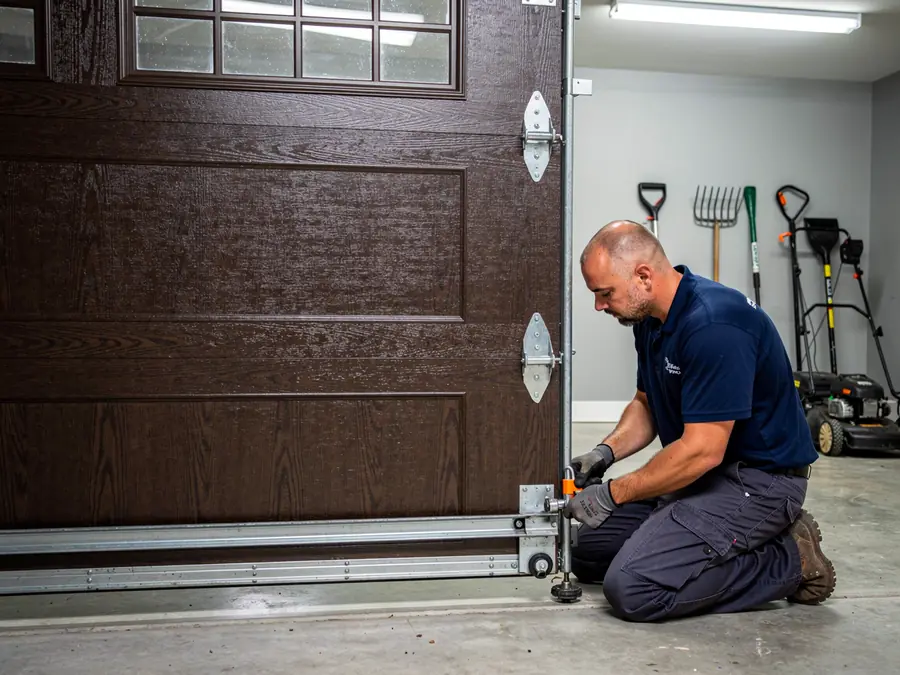
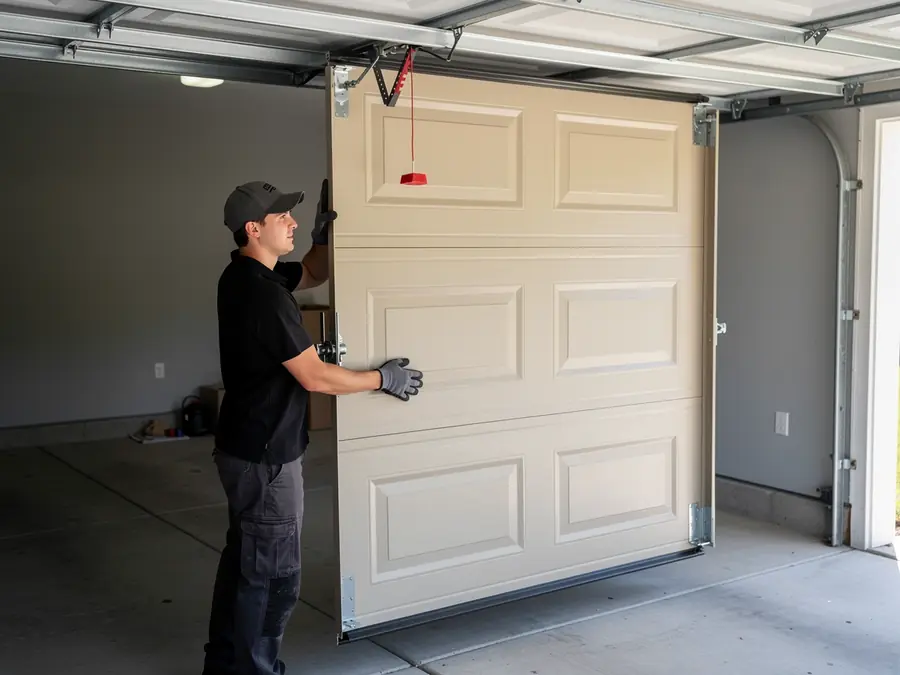
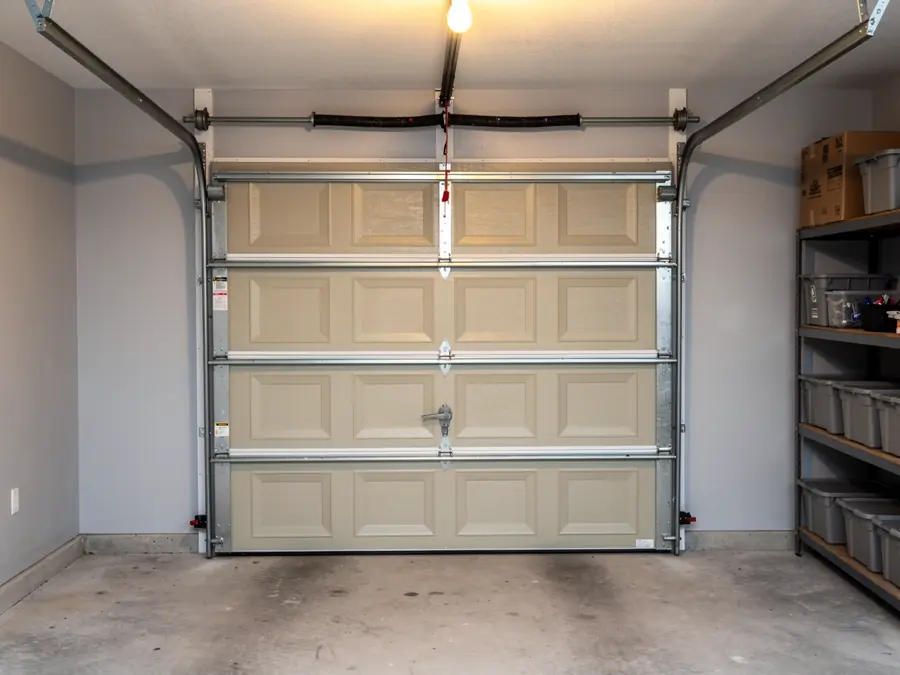
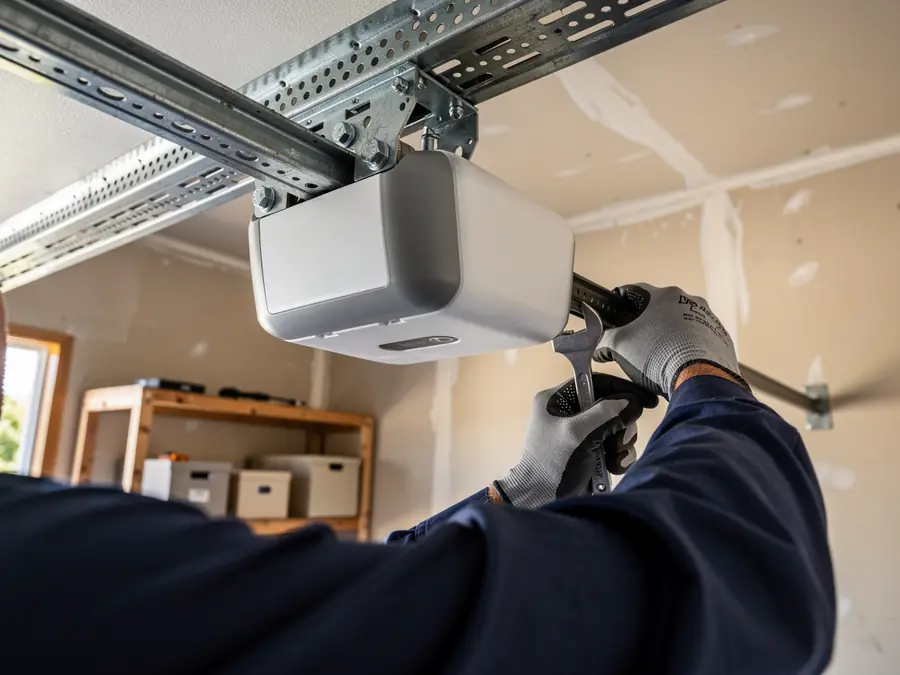
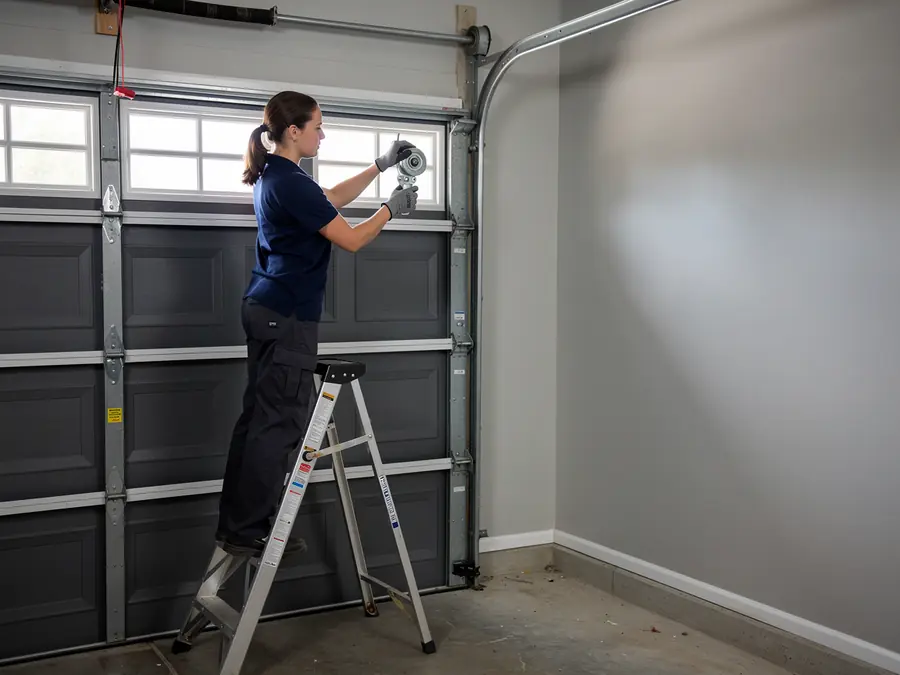
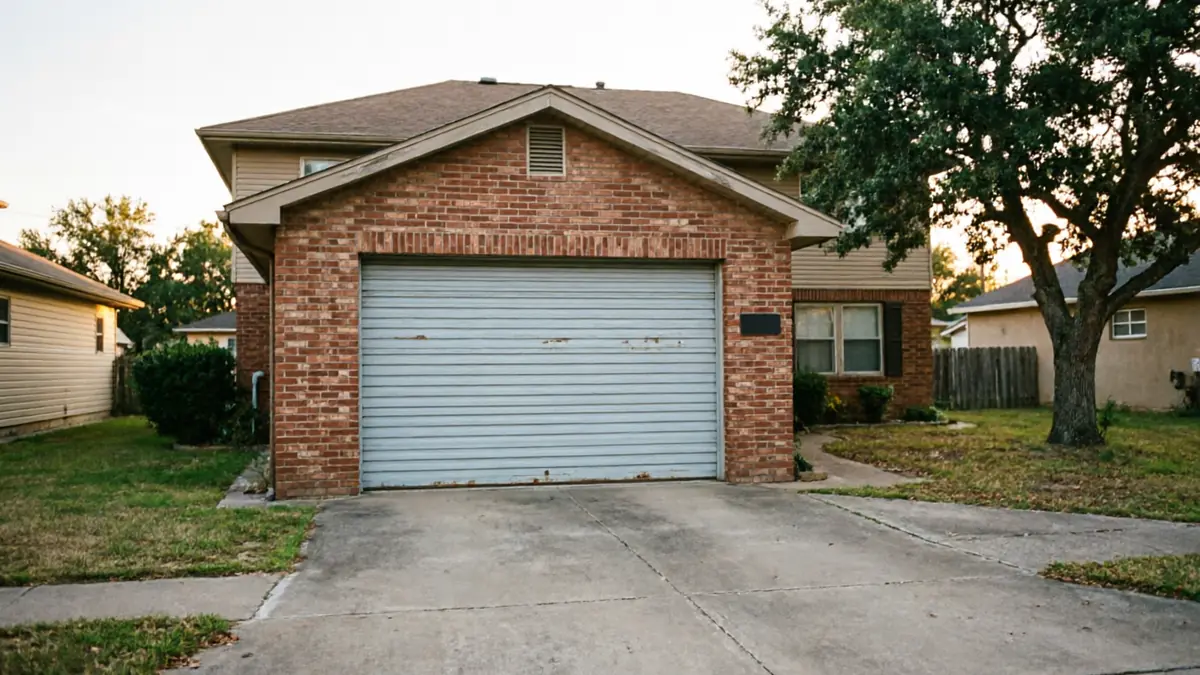
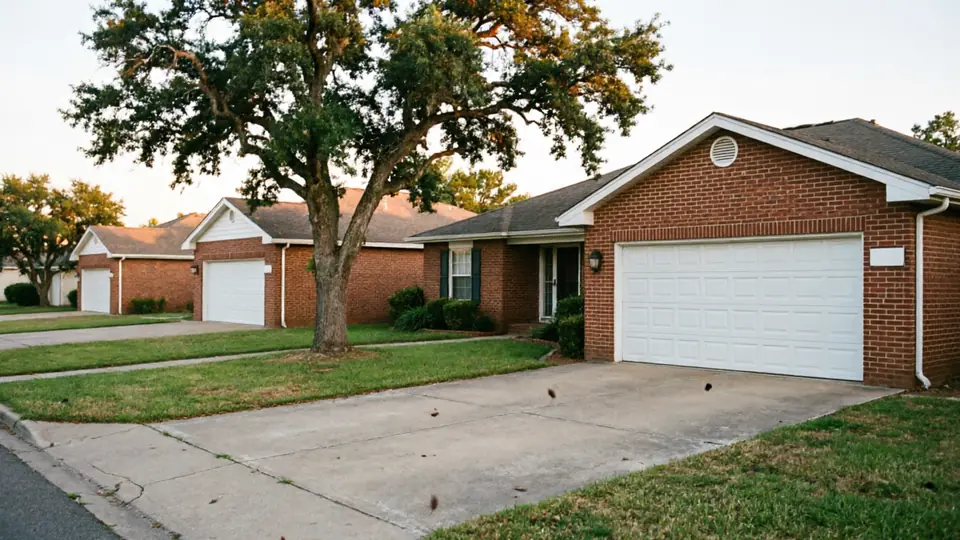
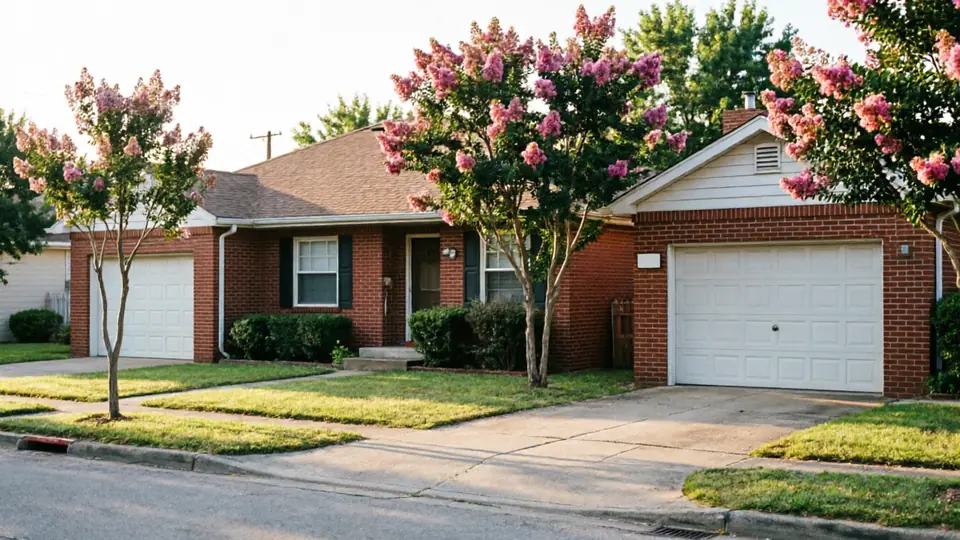
Pharr's housing stock skews newer than a lot of the surrounding service area, with a median build year around 2001, several years past the broader area's 1997 median. That gap matters more than it sounds like it should. A house built in 2001 almost always shipped with a steel torsion door on a standard 7-foot track, a chain or belt-drive opener with a basic photo-eye safety sensor, and a galvanized torsion spring rated for a lighter composite or insulated panel rather than old solid wood. Houses built even a decade earlier in nearby pockets often carry different spring sizing, older extension-spring setups mounted along the horizontal track instead of torsion bars overhead, and opener models that have been out of production long enough that control boards are hard to source. When we get a call from Pharr, we're usually dealing with the newer category first: openers reaching the end of their circuit board life, torsion springs rated for the heat cycling this area sees, and weatherstripping that's taken fifteen-plus summers of expansion and contraction. We still check for the older extension-spring exceptions on streets that predate the main build wave, but we don't assume it.