
Blog
Why Your Garage Door Jumps the Track in McAllen
In McAllen homes built mostly 1987 to 2005, severe heat warps steel track and hardens rollers over time, pulling garage doors off their rails. Here's why.
What You Pay
We don't post a flat number here because what you pay depends on whether the track is just bent or whether the rollers and brackets have to come off too. A door that's merely knocked loose from a light bump is a different job than one where years of heat have hardened the rollers and warped the rail itself. With a median household income of $48,777 across the service area, most owners want the door fixed, not replaced, when a repair can actually hold. We walk the track before we quote anything, because guessing a price over the phone on an off-track door is how you end up either overcharging someone for a ten-minute fix or underquoting a job that turns out to need new track, new brackets, and new rollers all at once. If the opener has been fighting the door for a while, that matters too â€" motors that strain against a misaligned track burn out faster, and that's a separate cost most people don't see coming until it's too late to avoid.
The honest limit: if your track is original to a house built in the late 1980s or 1990s, we may tell you replacement beats another patch repair, because galvanized track from that era corrodes from the inside once the coating goes.
What Most People Get Wrong
Most people hear a scraping noise or watch the door lean sideways in the opening and assume it's the springs. It usually isn't. Springs lift the weight; track keeps the door moving straight up and down. A door can have perfectly good springs and still jump the rail if a bracket has worked loose or the track has bowed out from the wall.
The other thing people get wrong is timing. Houses in this service area were mostly built between 1987 and 2005, with a median build year of 1997. That means a lot of track, rollers, and hinge hardware are now twenty-five to thirty-five years old â€" original to the house, never swapped, just aging quietly behind a door that still opens most days. Owners wait for a full failure before calling, but a door that drifts an inch to one side when it closes is already telling you a bracket or roller is giving up. Catching it then is a bracket swap. Catching it after the door comes fully off the rail is a bent track, a scraped car, sometimes a cracked panel.
What Is Going On
Steel track is bolted to the framing with brackets, and those brackets hold their position by friction and a handful of lag screws. Every time the door cycles, the rollers push sideways loads into the track, and over thousands of cycles across twenty to thirty years, those lag screws work loose in the wood a little at a time. Once a bracket has a quarter inch of play, the track isn't straight anymore, and the rollers start riding the edge instead of the channel.
At the same time, the rollers themselves age. Builder-grade nylon rollers from the 1987-2005 construction wave were never meant to run thirty-plus years. They harden, develop flat spots, and start chipping at the edges. A chipped roller doesn't roll smoothly through the track â€" it hops, and a hopping roller is what finally walks a door off the rail on a day it would otherwise have closed fine. Add a bent section of track from a backed-into car or an overloaded shelf bracket mounted straight into the rail, and you've got the three usual suspects: loose brackets, worn rollers, bent steel.
How Local Conditions Play In
This area sits in a severe-heat climate band, and that matters more for garage doors than people expect. Steel track expands and contracts with the daily temperature swing inside a garage that can run well past 100 degrees for stretches of the summer. That expansion-contraction cycle, repeated every day for decades, is exactly what walks lag screws loose in the framing and lets brackets drift out of alignment faster than they would in a milder climate.
Heat also breaks down roller lubrication faster and dries out nylon rollers until they crack. We see the same pattern across the roughly 98,000 households and 52,042 owner-occupied houses in this service area, from Palmhurst four miles out to Pharr, Alton, and Weslaco seventeen miles east â€" mostly 1980s and 90s construction, mostly original track and rollers, mostly aging the same way under the same sun. If your garage faces west and catches full afternoon heat, expect the rollers and track hardware to wear faster than a north-facing garage on the same street.
Questions
Common questions
Can I push a door back onto the track myself?
You can sometimes guide a lightly off-track door back by hand if it's only off at one roller and the track isn't bent, but if a spring is under tension or the track has bowed, forcing it back risks the cable snapping or the section binding. If it won't slide back with light hand pressure, stop and call.
Is a bent track always a full replacement?
No. A single bent section near a bracket can sometimes be straightened or swapped out without replacing the whole run. It depends on how long the bent section is and whether the bend has already stressed the roller channel. We check this on site rather than guessing from a description.
Why does my door go off track more in summer?
Heat here runs severe, and the daily expansion and contraction of steel track works lag screws loose in the framing faster than in milder climates. Roller lubrication also breaks down quicker in sustained heat, so summer is when years of slow wear finally show up as a door that jumps the rail.
Recommendation
You Might Also Like
More garage door guides for McAllen homeowners.
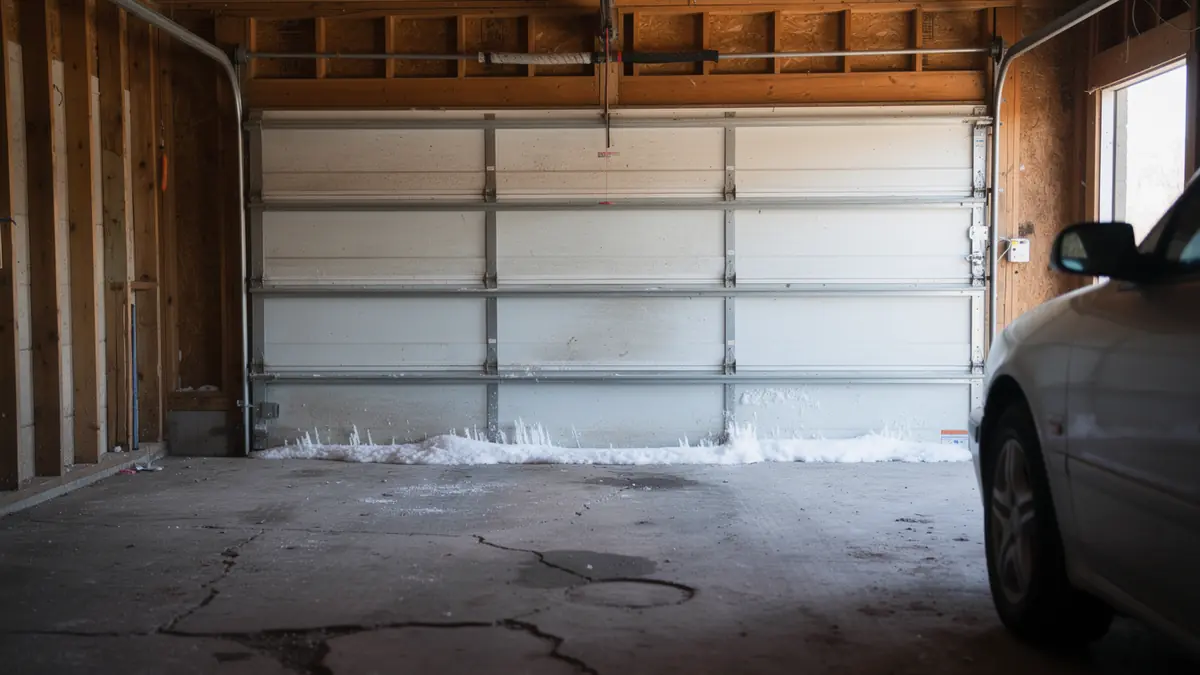
What a Service Call Actually Covers in McAllen
McAllen homes built mostly 1987-2005 run original hardware into severe heat.
Read guide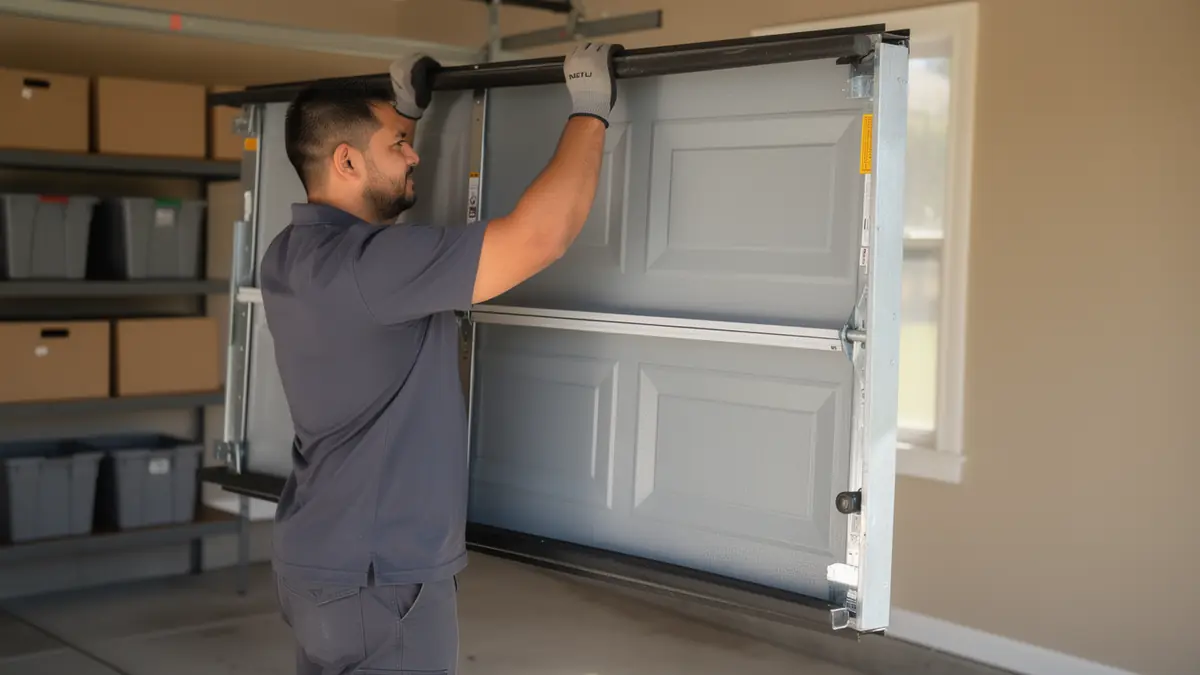
When Repair Still Makes Sense on an Older McAllen Garage Door
McAllen homes built 1987-2005 face specific wear from severe heat.
Read guide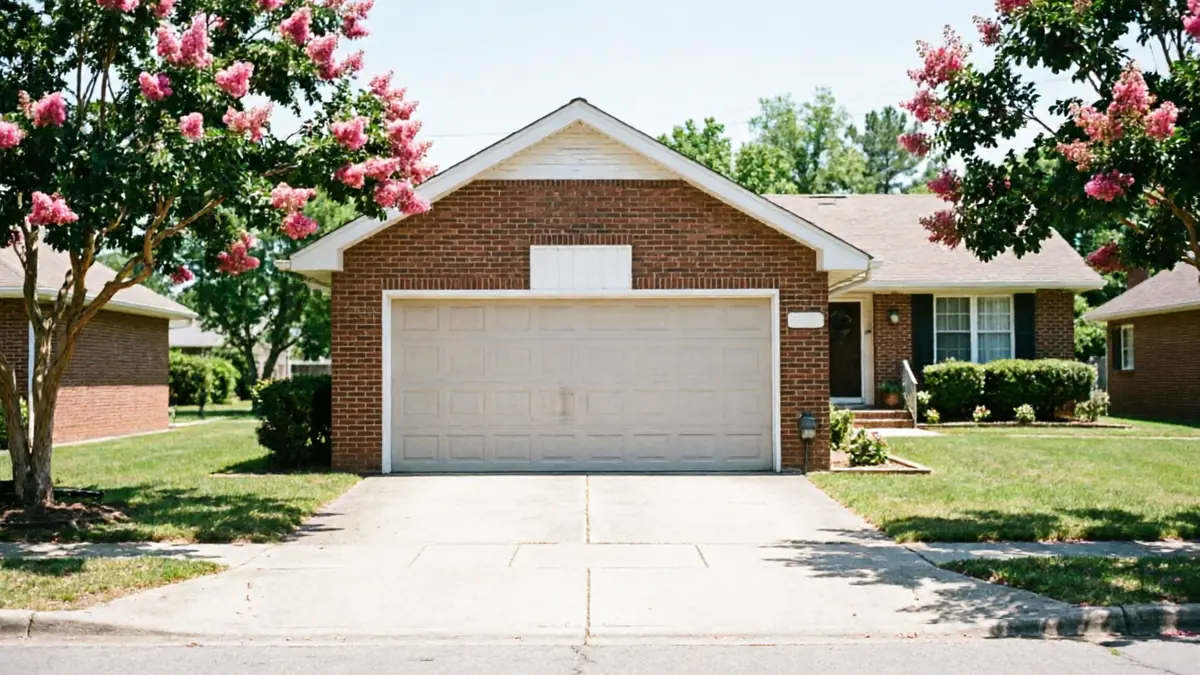
Garage Door Service Built Around McAllen's 1987 to 2005 Housing Stock
Most homes across McAllen and nearby communities went up between 1987 and 2005.
Read guideReady when you are
Need a garage door sorted in McAllen?
McAllen Garage Door Pros repairs and installs garage doors, springs and openers in McAllen, TX and the surrounding area.