
Heavier-duty ball-bearing rollers
We also carry the steel ball-bearing roller upgrade for owners who want something built for heavier, more frequent use rather than matched to original spec.
Hidalgo, McAllen
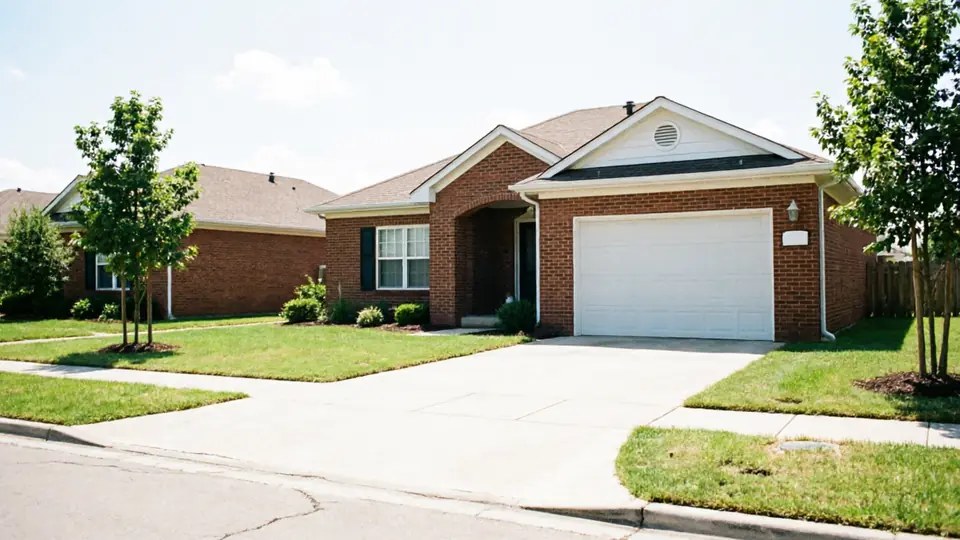
Hidalgo homes run newer than most of the McAllen service area, built around 2003. That changes which rollers wear out first and what we carry on the truck.
Watch-outs
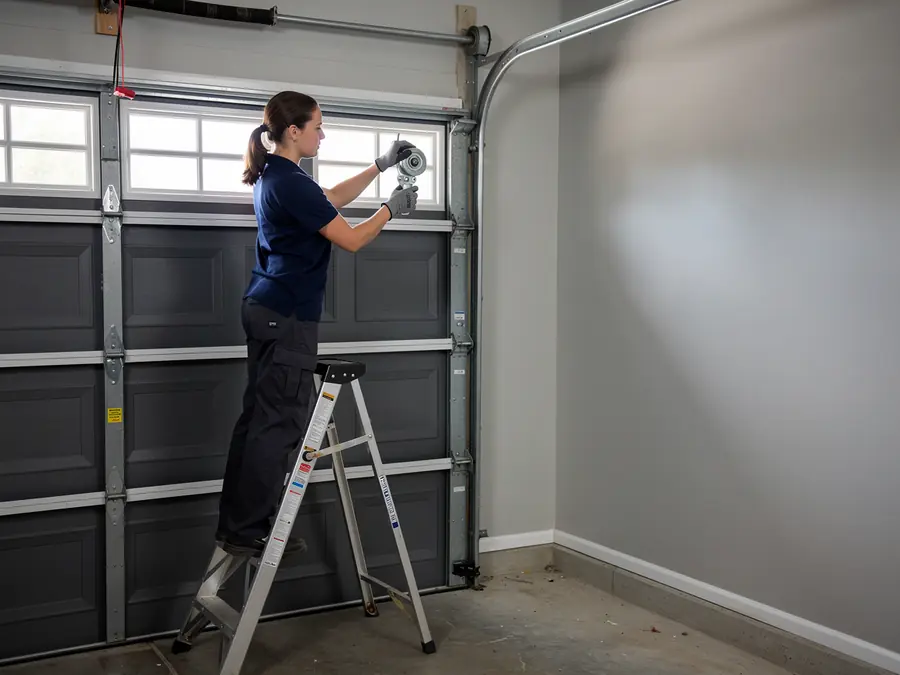
Across the wider McAllen service area, median construction lands around 1997, but Hidalgo's housing skews newer, with a median build year closer to 2003. That six-year gap matters more than it sounds. Later-built garage doors here tend to come factory-fitted with sealed-bearing steel rollers on galvanized track rather than the plain steel or early-nylon rollers common in older stock. When those sealed bearings fail, they don't squeal gradually the way old rollers do - they seize, and the door binds hard on one side of the track. Owners usually notice it as a door that shudders halfway up, or a cable that starts fraying because the roller stopped rolling and started dragging. On a double door, an uneven roller failure puts twisting load on the opener's drive gear too, which is a second repair if it's left running that way for more than a few weeks. We see doors brought in with one good roller and three worn ones, because nobody replaces rollers as a full set until they're asked to.
Local causes
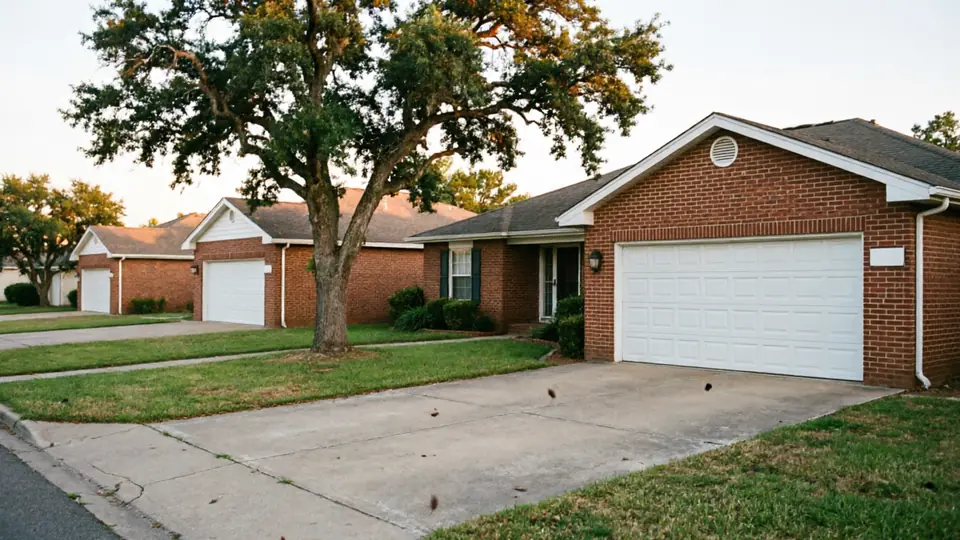
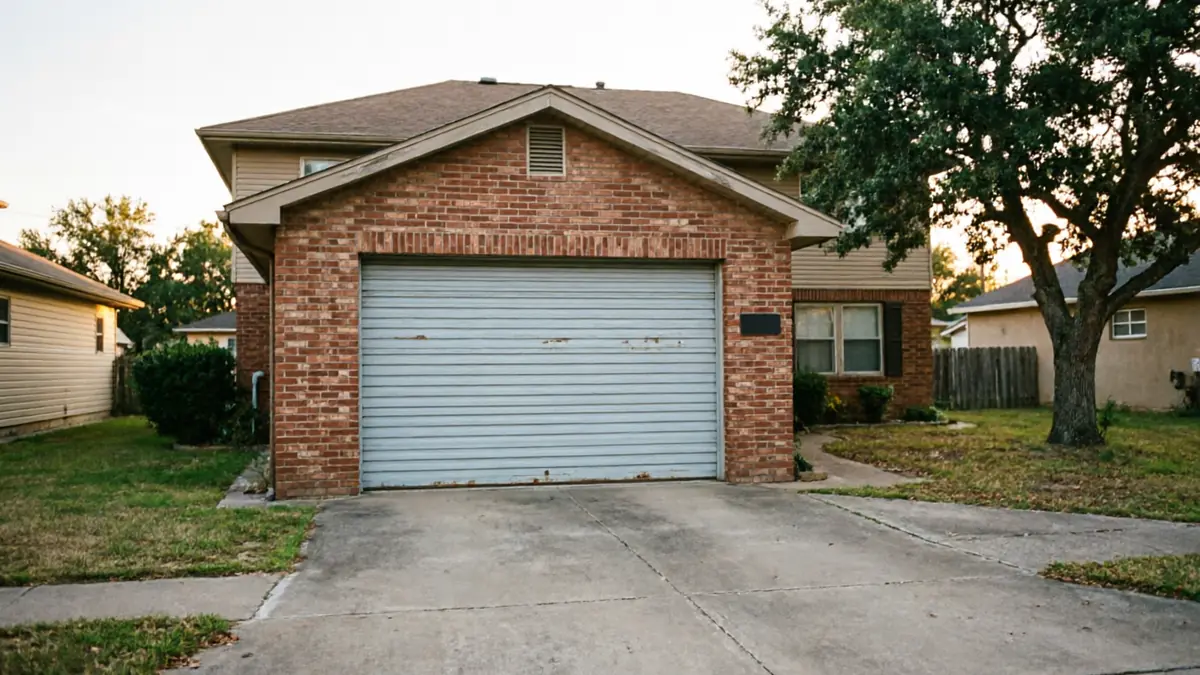
Hidalgo sits in the same severe-heat climate band as the rest of the region, and that heat is the real driver behind roller wear regardless of build year. Daily temperature swings between a hot slab and a hot garage interior expand and contract the steel track, and nylon rollers - softer than steel, quieter running - are the part that absorbs that flex. In a 2003-era door, that's usually a 10-ball nylon roller on a stamped stem, a part that holds up fine for years and then degrades fast once the nylon starts to crack from UV and heat cycling at the top of the track where sun hits longest. Because Hidalgo's roughly 3,886 households sit on newer concrete than much of the surrounding area, foundation settling is less of a factor here than it is in the older 1980s stock elsewhere in the service area - the track itself usually stays true, and the roller is the wear item, not the alignment.
On the truck
We stock both 7-ball and 10-ball nylon rollers with sealed bearings, sized for the stem lengths used on doors from the early 2000s, which covers most of what's installed in Hidalgo.
We also carry the steel ball-bearing roller upgrade for owners who want something built for heavier, more frequent use rather than matched to original spec.
What we don't stock on the truck is anything for doors from before the 1980s-90s stock that's common elsewhere in the wider area - those use a different stem diameter and we'd need to order it, which pushes the job to a second trip. On a 2003-built house in Hidalgo, that's rarely an issue; the hardware matches what we already carry.
Timing
A full set of 10 rollers on a standard double door, done on-site, runs about the same regardless of which part of the McAllen service area we're in - the job is mechanical, not local. What changes for Hidalgo specifically is less about the repair and more about us driving in for it: Hidalgo sits about 8 miles from our McAllen base, closer than several other towns we cover, which keeps a same-day scheduling slot realistic when a roller fails hard enough to jam the door shut. We still won't promise an exact arrival window here - that's a McAllen dispatch question, not a Hidalgo one - but the short run in means a roller job rarely has to wait past the next available slot.
The repair
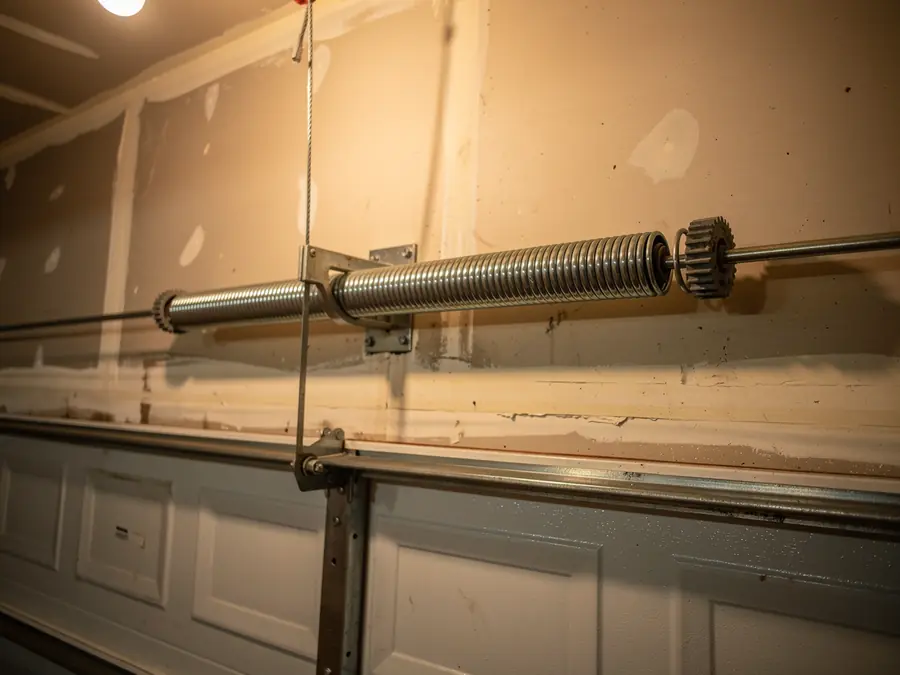
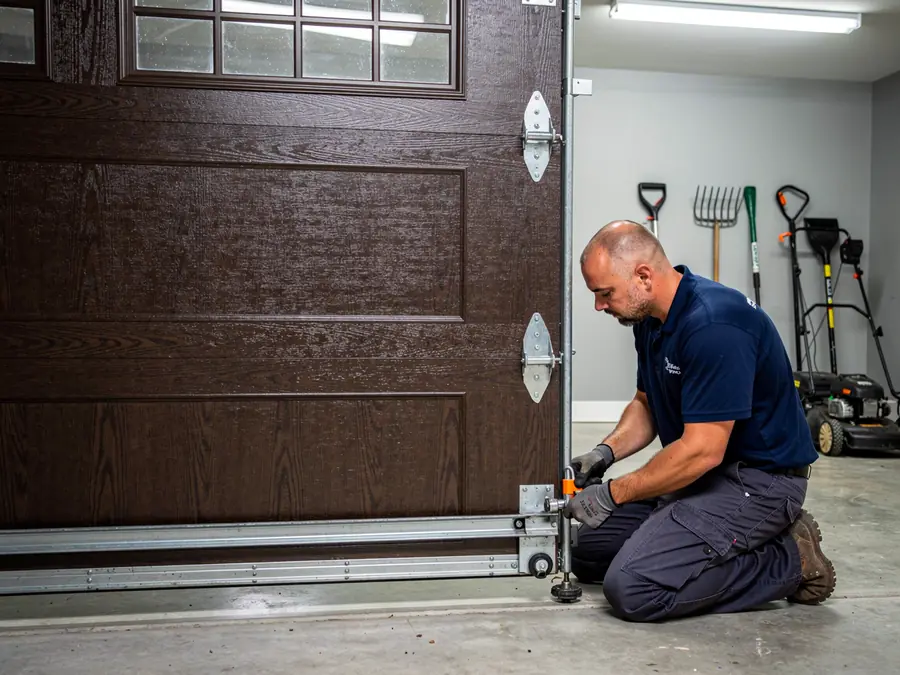
Full roller replacement on a double door means the door comes down, each roller is pulled from the track one bracket at a time so the panel never drops free, and the track gets a check for the kind of denting that a seized roller can leave behind if it was dragged instead of rolling. If a roller failed hard enough to dent the track, that section gets replaced too - patching a dented track just means the next roller fails the same way. One honest limit: if the opener's drive gear was already grinding before the rollers seized, roller replacement alone won't fix that; it's a separate part and we'll say so rather than charge for a fix that doesn't hold. For the newer stems common on Hidalgo's 2003-era doors, the swap itself is usually the straightforward part of the visit.
Questions
Often yes. Hidalgo's housing runs newer than much of the surrounding service area, with a median build year around 2003 versus roughly 1997 overall. Newer doors usually shipped with sealed-bearing nylon rollers on a stem size we carry on the truck, while older 1980s-90s doors elsewhere in the area sometimes use a stem we'd need to order.
The severe-heat climate here puts nylon rollers through constant expansion and contraction, especially at the top of the track where sun exposure is longest. Nylon handles that quietly for years, then cracks fast once UV and heat have broken down the material. By the time you hear squeaking, the crack is usually already there.
No. We run out of McAllen, about 8 miles out, and travel to Hidalgo for the job. We don't keep a local depot here, so we can't promise an exact arrival window tied to Hidalgo specifically - scheduling runs through McAllen dispatch.
Usually, if the shudder is from a seized or cracked roller dragging instead of rolling. But if the opener's drive gear was already grinding before that happened, roller replacement won't resolve that part - it's a separate repair, and we'll tell you if we see it.
Explore more
Ready when you are
McAllen Garage Door Pros repairs and installs garage doors, springs and openers in McAllen, TX and the surrounding area.